
Paid media for DTC brands
Google Ads for DTC Brands: Shopping, Performance Max, Search & YouTube
When someone searches for your category or your name, they are already shopping. Google is where that demand gets captured, or handed to a competitor.
2.2× MESSAGE Footwear sales vs. the same months a year earlier
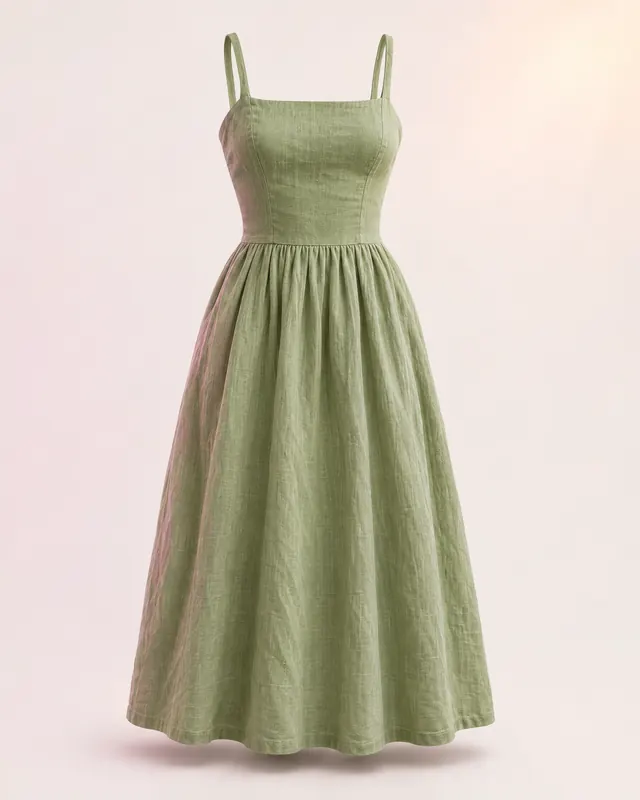 Linen Midi Dress, Sage
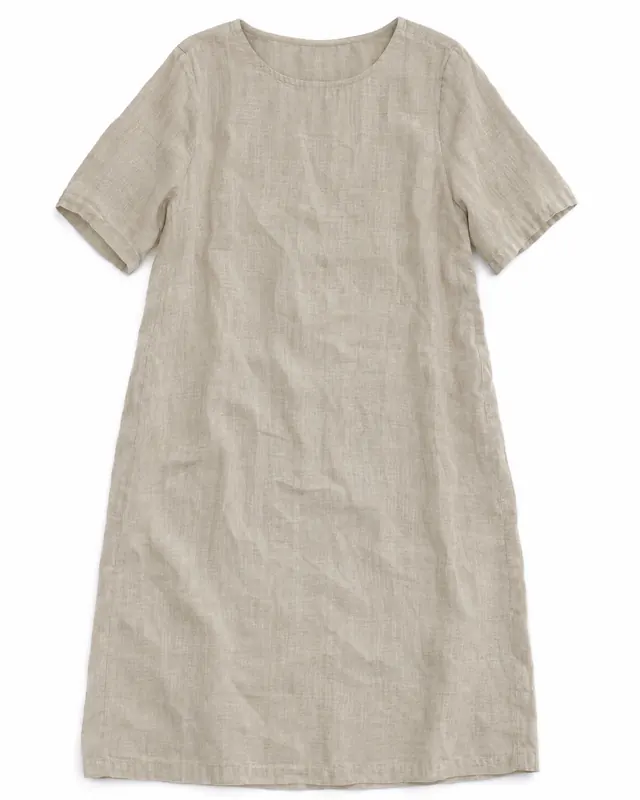 Relaxed Linen Dress
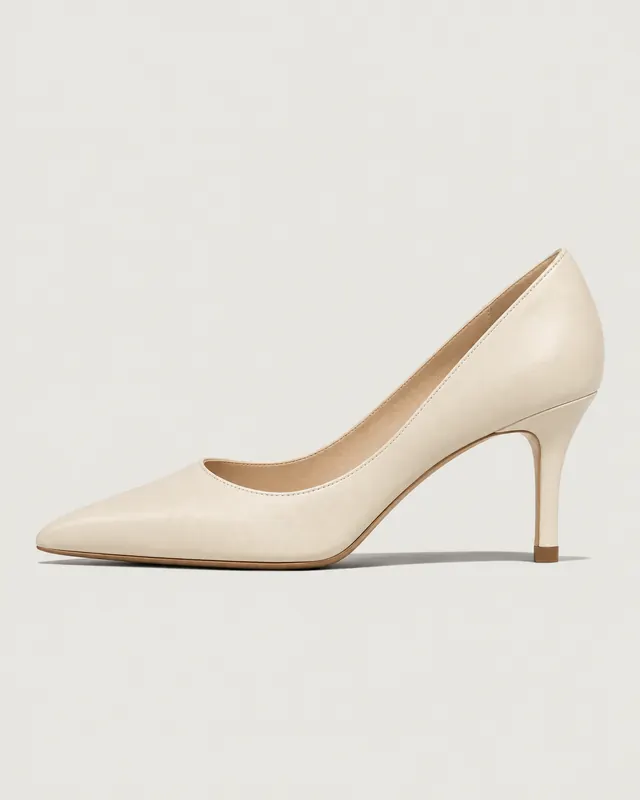 Pointed Heel, Ivory
What does a Google Ads agency do for DTC brands?
A Google Ads agency builds and runs Shopping, Performance Max, Search and YouTube campaigns. For DTC brands most of the work starts in the product feed (titles, attributes and variants in Google Merchant Center), then separating brand from non-brand demand and valuing sales net of returns.
Who It’s For
We’re a fit if
- People already search for your brand or your product category.
- You sell on Shopify (or similar) with a product feed in Google Merchant Center, or you’re ready to set one up.
- You want steady, intent-driven sales alongside Meta and TikTok.
Not a fit if
- Nobody searches for what you sell yet. Start with discovery on Meta, TikTok or Pinterest.
- You can’t keep product data (stock, prices, sizes) accurate.
- You only want brand-name search to look cheap in a report.
What’s Included In Our Scope Of Work
-
01
Merchant Center feed
Titles, images and the attributes Google needs for your category (for clothing that means color, size, gender, age group and variant grouping), because on Shopping, the feed is the ad.
-
02
Shopping and Performance Max structure
Campaigns split by margin, category and best sellers, not one catch-all campaign that spends wherever Google prefers.
-
03
Brand vs. non-brand
Searches you would have won anyway kept apart from the ones that bring in new customers, so you know what the spend is buying.
-
04
Demand Gen and YouTube
Video and image ads on YouTube and Google’s feeds to build demand for new collections as well as harvest it.
-
05
Promotions and seasons
Merchant Center promotions, seasonal budgets and bidding adjustments planned ahead of drops and holidays.
-
06
Returns-adjusted value
Google’s conversion adjustments let returned orders be retracted and partial returns restated, so bidding learns from sales that stay sold.
The details that decide results
What Matters On Google
Search runs on intent: the words people type decide which products and ads can show. That makes the feed and the keywords the main levers.
-
Variants are everything
One product in six sizes and four colors is 24 products to Google. Grouped and labelled correctly, shoppers see their size in stock; done badly, products get disapproved or show the wrong variant.
-
Titles are targeting
Shoppers search in their own words: “linen midi dress”, “gift for new dad”. Product titles and attributes decide which searches a product can match.
-
Seasonality is sharp
Demand for occasion and seasonal products spikes and drops fast. Budgets, promotions and assets have to move with it.
-
Returns hide in the averages
High-return items can look like winners in Google Ads. Valuing sales net of returns keeps bidding honest.
| Attribute | What it tells Google | Why it matters for apparel |
|---|---|---|
| color | The product’s color as shoppers would say it | Shoppers filter and search by color; each color is its own variant |
| size | The size of this variant (required for clothing and shoes) | Lets Google show the size a shopper is looking for |
| gender | Who the item is designed for: male, female or unisex | Required for apparel; drives which searches the product can match |
| age_group | Adult, kids, infant and so on | Required for apparel; keeps adult pieces out of kids’ searches |
| item_group_id | Which variants belong to the same product | Groups sizes and colors into one product instead of 24 separate ones |
Source: Google Merchant Center Help: product data specification
How we run it
How We Run Google Ads With The MoonDesk Scaling Method
On Google, shoppers type what they want, so we build around search intent instead of personas. A handful of keywords brings most of the sales. We find them, fund them first and keep them at the top of the page.
Example
- Weeks 1–2
Strategy and build
Keyword research, feed fixes, a 12-month plan, tracking.
- Weeks 2–3
Launch
High-intent keywords only. Fewer creatives, faster start.
- Every day
Prune and scale
Negatives out, winners up.
Six rules we run search by
-
01Winning keywords
Find the 4 or 5 terms behind most of your sales.
-
02Start tight
High-intent terms only. Bids rise 10 to 20% a day until budget spends.
-
03Prune daily
About 5 keywords in, 15 to 20 negatives out.
-
04Top of the page
80% of budget on winners, at 80 to 85% impression share.
-
05Ads that earn the click
Headlines built from questions buyers actually ask.
-
06Competitor searches
Their names, your comparison page. 5 to 10% of budget.
Example
“Rain jacket” gets volume and cheap clicks from people still browsing. “Packable rain jacket women” and “waterproof cycling jacket” cost more per click and sell more. Those two go into the winners campaign with most of the budget, and “rain jacket kids” goes on the negative list.
Client results
How We Grew MESSAGE Footwear’s Sales 2.2× Year Over Year
MESSAGE Footwear started working with us in February 2026. We scaled their Meta and Google ads, then activated Pinterest and TikTok, with all four planned together.
Read the case studySource: MESSAGE Footwear’s Shopify gross sales, all channels, February–September 2026 vs. February–September 2025. Gross sales include every channel, not only paid ads.
Which platform does what
Meta vs TikTok vs Pinterest vs Google vs Amazon for DTC Brands
Each platform does a different job in the way people find and buy online. This is how we plan them together.
| Platform | Role in the journey | Funnel stage | Creative that works | When to add it |
|---|---|---|---|---|
| TikTok | Discovery and sales through creators | Full funnel, mostly top | Demos, try-ons, creator reviews; strong hooks in the first seconds | When you can make new video every week |
| Planning purchases, occasions and seasons | Top | Styled vertical imagery, lookbooks, catalog pins | When you sell occasion or seasonal products | |
| GoogleYou’re here | Capturing people already searching | Middle to bottom | A clean product feed, search ads, YouTube for new collections | As soon as people search your brand or category |
| Meta | The sales engine: discovery and conversion | Full funnel | Distinct concepts by persona and angle, catalog ads, UGC | The core channel for most DTC brands |
| Amazon | Marketplace search and reorders | Bottom | Strong listings, Sponsored Products and Brands | When you sell on Amazon |
How much should I spend on Google Ads? Is $10 a day enough?
Set the budget from your target ROAS and what your winning keywords cost per click, not from a round number. At $1 to $2 a click, $10 a day is five to ten clicks, too few to learn which keywords sell. Start with enough to keep your high-intent keywords at the top of the page every day, then add broader terms once they spend it. Google can spend up to twice your daily budget on a given day, capped at 30.4 times the daily budget over a month.
Performance Max vs Standard Shopping: which should I run?
Most DTC brands run both: Standard Shopping where you want control over products and search terms, Performance Max for reach across Google’s inventory. Since October 2024, Performance Max no longer automatically takes priority over Standard Shopping on the same products (Ad Rank decides). Both live or die on the feed: for clothing that means color, size, gender, age group and an item group ID tying the variants together.
Should I bid on my own brand name?
Bidding on your brand name protects the search from competitors and resellers, but brand clicks are cheap partly because many of those shoppers would have found you anyway. We keep brand and non-brand separate so you can see what each is worth.
Is Performance Max stealing my branded searches?
It can. Performance Max will show on searches for your own name unless you stop it, and many of those sales would have come anyway, which makes it look better than it is. We add brand exclusions so Performance Max stays off your brand searches, run brand in its own Search campaign, and read new customers separately.
What is a good ROAS for Google Shopping?
One that meets your target ROAS: the return that leaves enough contribution margin, after returns, to pay operating costs and still make a profit. Break-even is only the floor. For most ecommerce brands we work with, the target lands above 3.5x gross ROAS. Google lets you retract returned orders and restate partial returns, so bidding learns from sales that stay sold.
Can I bid on competitor brand names?
Yes. Google’s trademark policy can restrict trademarks in ad text, not as keywords, so you can bid on a competitor’s name as long as the ad doesn’t use it. We keep competitor searches to 5 to 10% of the search budget and send each one to its own comparison page.
Also on the media plan
The Other Platforms We Manage
- Buy
Meta Ads
Facebook and Instagram ads, still where most DTC brands find their next customer.
Learn more - Discover
TikTok Ads
Creator-led video that gets products discovered without looking like an ad.
Learn more - Save
Pinterest Ads
Reach shoppers while they are still planning the purchase, the occasion, the season.
Learn more - Reorder
Amazon Ads
Sponsored Products, Sponsored Brands and display ads, for DTC brands that also sell on Amazon.
Learn more -
Not Sure Where To Start?
Tell us where you are today. We’ll tell you which platforms are worth your budget, and which are not.
Book A Strategy Session
Related guides
Let’s Take Your Brand To The Next Level
Story-led paid media for DTC brands ready to grow: outstanding creative, and a method that turns every test into the next win.
*A 45-minute strategy session with Hugo to see if we’re the right fit for your brand.