
Beauty Marketing Agency for DTC Brands
Skincare, makeup, haircare and fragrance, sold on a screen nobody can touch, swatch or smell. We make the ads that show it, and keep every claim on the right side of the line.
Book A Strategy SessionWhat does a beauty marketing agency do?
A beauty marketing agency plans, creates and runs the advertising that sells skincare, makeup, haircare and fragrance. At MoonDesk that means paid media for DTC beauty brands on Meta, TikTok, Google and Pinterest: creative that shows texture and shade up close, copy that stays inside FDA and platform rules, and tests that show which buyers come back for more.
Which Creative Angles Sell Beauty?
Each angle is a reason to buy for a specific persona, built to work without a before-and-after. Illustrative examples, not client ads.
-
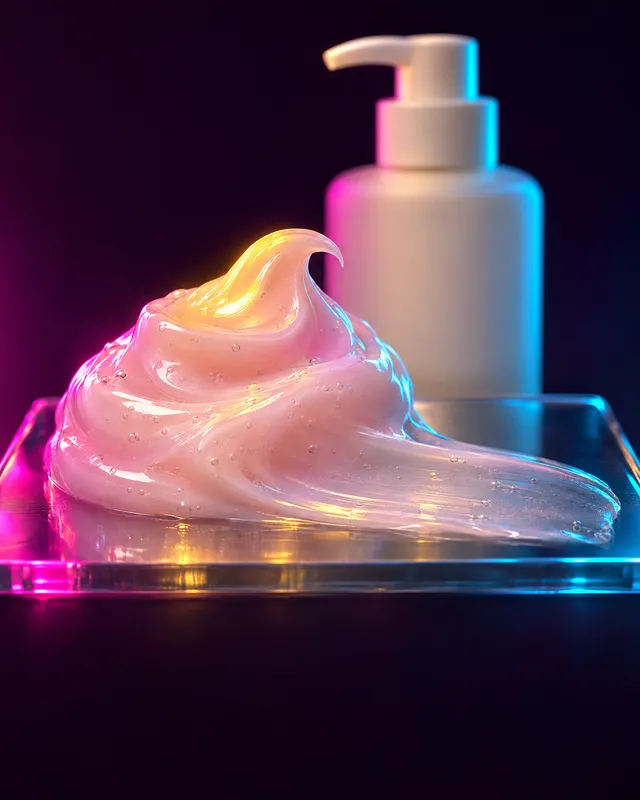 Macro video
“Watch it melt in” Texture up close
For the sensory buyer who can’t touch it through a screen. A macro of the texture does a tester’s job.
-
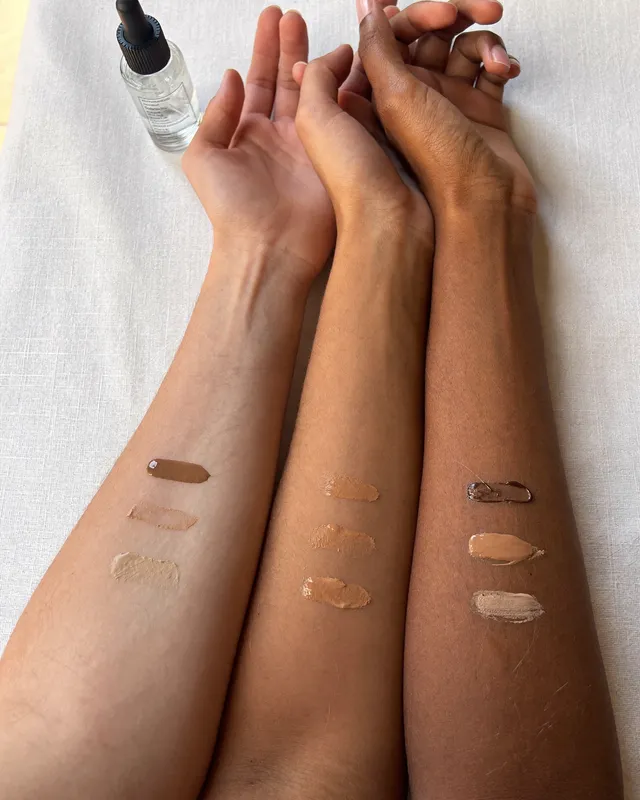 Swatch carousel
“Every shade, swatched on real skin” Shade on real skin
For the shade-anxious buyer. Swatches across skin tones answer the question before the order, not after the return.
-
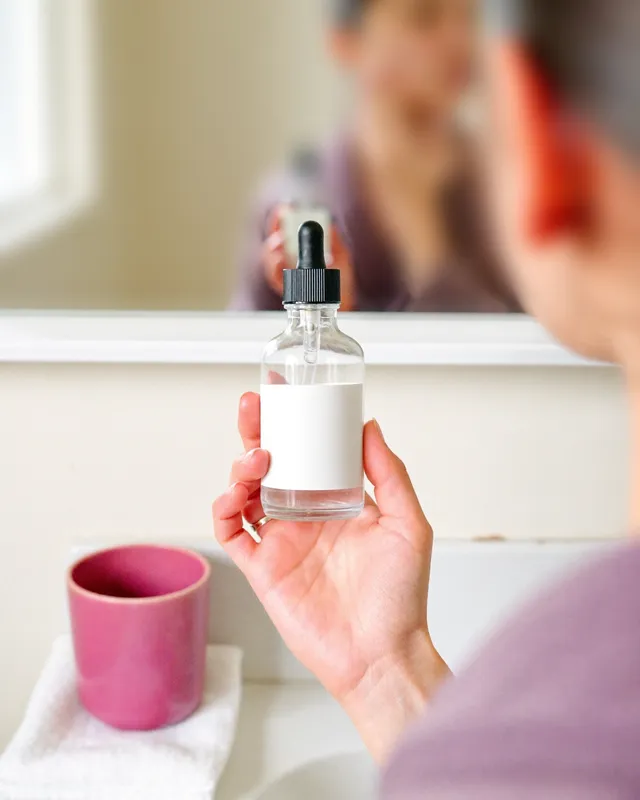 Creator Spark Ad
“My morning routine, no filter” The unfiltered routine
For the researcher who trusts people over brands. Run it as a creator Spark or partnership ad, with the relationship disclosed.
-
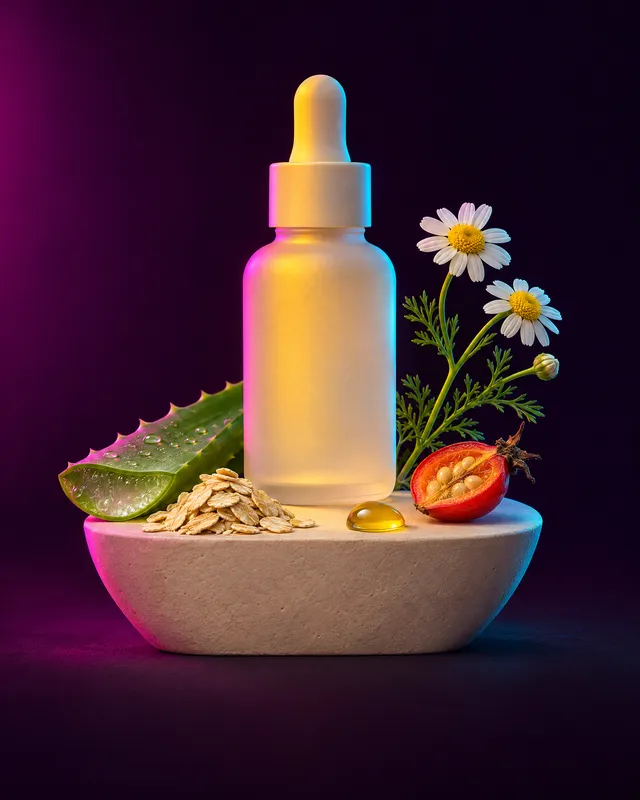 Static + carousel
“Five ingredients. Here’s what each one does.” What’s inside
For the label reader. Describe what each ingredient does for how skin looks, never what it treats.
-
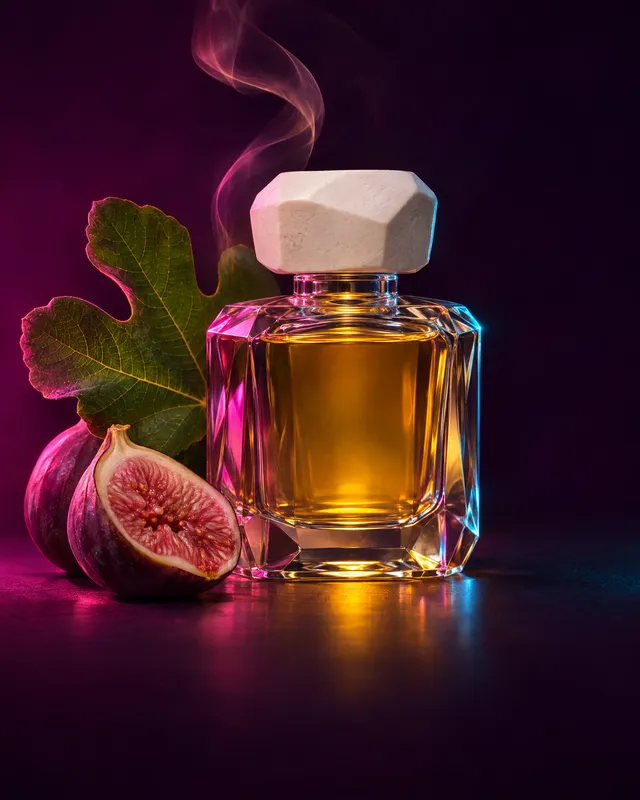 Mood video
“Fig leaf, warm skin, late summer” Scent you can see
For the fragrance buyer who can’t smell a screen. Sell notes and mood; “helps you sleep” would make it a drug.
-
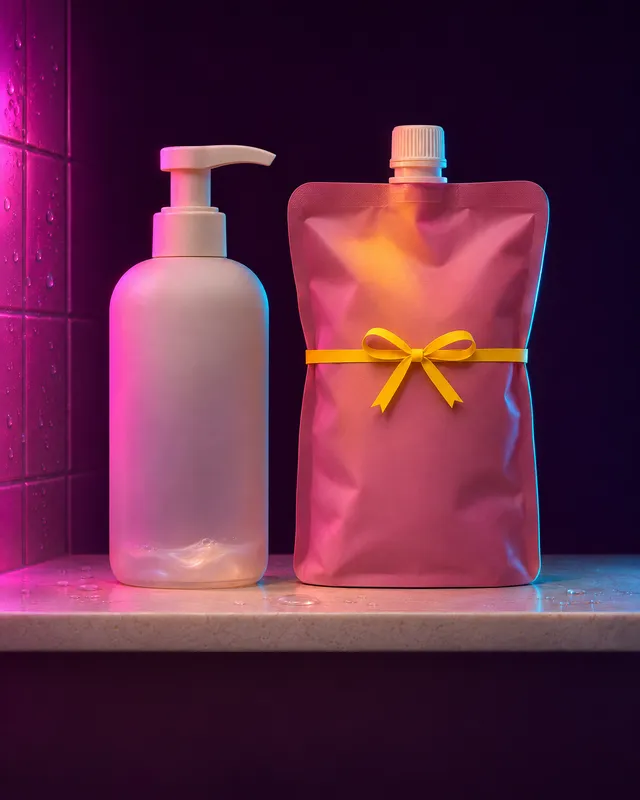 Retargeting static
“Your refill ships before you run out” The refill
For the loyal re-buyer. Retention ads to past customers, timed to how long a bottle lasts.
Illustrative hooks for a fictional brand. Every claim in a live ad (ingredients, results, shade range, delivery) has to be true for that brand and describe how skin or hair looks, not what it treats.
Why Is Beauty Hard To Advertise?
Beauty is a repeat purchase sold on trust, under some of the tightest claim rules in advertising. And nobody can try it through a phone.
-
01
One word turns a cosmetic into a drug
In US law a product is what its claims say it does, and the FDA counts claims made in advertising and online. Words about how skin or hair looks keep a product a cosmetic. Claims that it regrows hair, regenerates cells or treats acne make it a drug, and a moisturizer with an SPF claim is a drug as well. Since MoCRA, the FDA also expects brands to register, list products and keep safety records. We write every hook on the cosmetic side of the line.
-
02
Before-and-after has limits
TikTok doesn’t allow before-and-after comparisons that could give a false impression of results, and its own example is wrinkles disappearing after a cream. TikTok Shop creators can’t use beauty filters on skincare, even with a disclaimer. Meta allows before-and-after for cosmetic products only with 18+ targeting. Most beauty creative has to sell without the transformation shot.
-
03
You can’t tell people what’s wrong with them
Meta doesn’t allow ads that assert or imply personal attributes, and the rejected example it gives is “Ready to upgrade your skin to look younger?”. Ads for cosmetic products also can’t carry statements of inferiority about someone’s appearance. Lead with the product and what it does, never with the viewer’s flaw.
-
04
Reviews carry the sale, and they’re regulated
Beauty buyers want proof from other people, and creators supply most of it. Paid or gifted creators have to disclose the relationship and can’t make a claim the brand couldn’t make itself. The FTC’s review rule bans fake reviews and rewards tied to a positive one.
-
05
Nobody can test it through a screen
Texture, shade and scent are what people buy, and none of them survives a flat packshot. The ads have to do the tester’s job: the cream melting in, the shade on real skin, the scent described in notes and moods. Then the reorder: the second purchase is where a beauty brand makes its money back, so retention ads matter as much as prospecting.
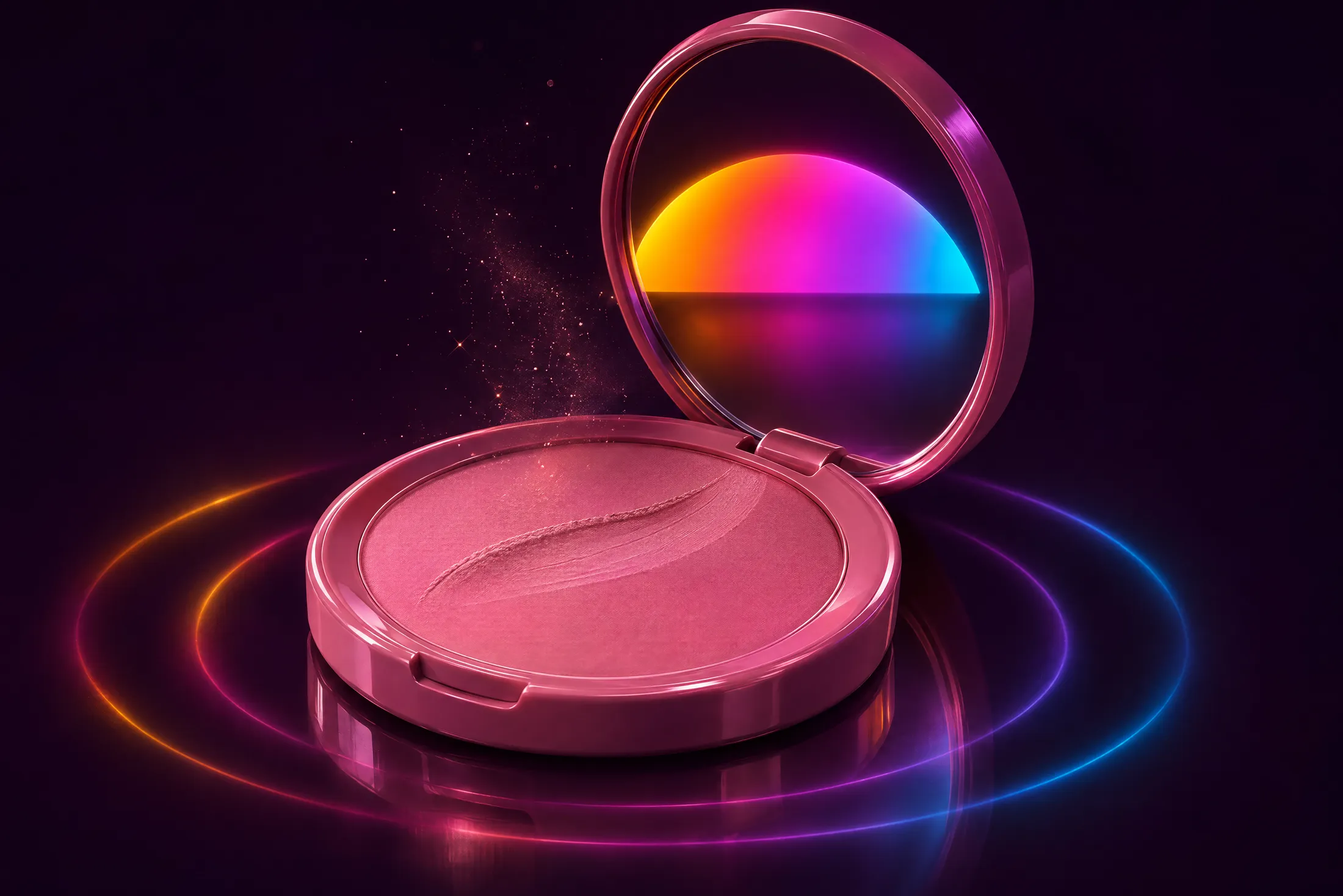
Show the texture. Keep the promise.
Which Platforms Should A Beauty Brand Advertise On?
Meta and TikTok do most of the work for DTC beauty, with Google catching people who already know what they want. This is the mix we start from; your price points, reorder cycle and rules decide the weights.
| Platform | Job in the purchase | What we run | Rule to plan for |
|---|---|---|---|
| Meta | Find new buyers, bring browsers back, sell the reorder | Persona × angle concepts, creator partnership ads, catalog ads by shade and size | No personal-attribute copy; before-and-after only at 18+ |
| TikTok | Discovery through creators and demos | Spark Ads from creators, Smart+ for scale | No exaggerated results or “#1” claims; label AI content |
| Google Shopping & PMax | Catch people searching for a product type | Shopping and Performance Max on a clean feed, with shade and size in titles | Categorize under Health & Beauty, not apparel |
| Routines, looks and gift planning | Shopping ads and routine Pins ahead of the holidays | Start early: 24% of holiday shoppers want beauty or personal care gifts (NRF, 2026) | |
| Amazon | Optional: reorders of best-sellers | Sponsored Products and Brands | Only if you already sell there |
Client results
How We’d Start On Your Brand
We don’t have a beauty case study yet, and we won’t invent one. Our published proof is fashion: MESSAGE Footwear more than doubled its sales once every platform ran on the same persona × angle tests. For a beauty brand we’d run the same method, with every hook checked against the claim rules before it’s made.
Read the MESSAGE Footwear case studyCan skincare ads show before-and-after photos?
It depends on the platform. TikTok doesn’t allow before-and-after comparisons that could give a false impression of results, such as wrinkles disappearing after a cream. Meta allows before-and-after for cosmetic products when the ad targets people 18 and over. Anywhere, the result shown has to be one customers can expect.
What claims can’t beauty brands make in ads?
Claims that a product treats, cures or changes how the body works. The FDA treats those as drug claims: its examples include restoring hair growth, reducing cellulite and regenerating cells. Platforms add their own limits: Meta bans copy that implies the viewer’s personal attributes, and TikTok bans exaggerated results and “#1” claims.
Which platforms work best for beauty brands?
Meta and TikTok do most of the work for DTC beauty brands: creator content, demos and catalog ads find new buyers and bring them back. Google Shopping catches people searching for a product type, Pinterest reaches people planning routines and gifts, and Amazon helps with reorders if you already sell there.
Do beauty creators have to disclose gifted products?
Yes, when they post about a brand that gave them something. Under the FTC’s Endorsement Guides, a paid or gifted relationship has to be disclosed clearly, and a creator can’t make a claim the brand couldn’t legally make. Paying for reviews that must be positive is banned outright by the FTC’s review rule.
Does MoonDesk have beauty case studies?
Not yet, and we won’t imply beauty clients we don’t have. Our published case study is MESSAGE Footwear, whose sales more than doubled once every platform ran on the same persona × angle tests. That method carries over to beauty: who buys, why they buy, which creative proves it.
How much does a beauty marketing agency cost?
It depends on the scope and how much you spend on ads. We’ll give you a clear number in a 45-minute strategy session with Hugo, along with an honest read on whether we’re the right fit for your brand.
Let’s Take Your Brand To The Next Level
Story-led paid media for DTC brands ready to grow: outstanding creative, and a method that turns every test into the next win.
*A 45-minute strategy session with Hugo to see if we’re the right fit for your brand.