
Paid media for DTC brands
Amazon Ads for DTC Brands
If your brand sells on Amazon, shoppers search for you there whether you advertise or not. The question is who shows up first: you, or a look-alike.

What does an Amazon ads agency do for DTC brands?
An Amazon ads agency runs Sponsored Products, Sponsored Brands and display ads (formerly Sponsored Display). For DTC brands that means defending your brand name, structuring campaigns around product lines and variations, and planning Amazon alongside your other ads so channels stop taking credit for each other’s sales.
Who It’s For
We’re a fit if
- Your brand already sells on Amazon, or is about to.
- Shoppers search for your brand name there, and competitors bid on it.
- You want Amazon planned together with your direct-to-consumer ads.
Not a fit if
- You don’t sell on Amazon and don’t plan to.
- Your listings, images and reviews need fixing first.
- You want Amazon run in isolation from everything else.
What’s Included In Our Scope Of Work
-
01
Sponsored Products
Ads for individual listings in Amazon search, organized by product line and search intent.
-
02
Sponsored Brands
Your logo, headline and a selection of products at the top of search, for brand defense and collection launches.
-
03
Display ads
Amazon’s display ads (formerly Sponsored Display): retargeting and product-page placements that keep shoppers from leaving for a look-alike.
-
04
Brand defense vs. growth
Brand, category and competitor terms kept in separate campaigns and measured separately.
-
05
Variation-aware structure
Campaigns built around how your sizes and colors are grouped on Amazon, so budget goes to variants that convert.
-
06
One plan, one story
Amazon planned alongside Meta, Google and TikTok, so channels stop taking credit for each other’s sales.
The details that decide results
What Matters On Amazon
On Amazon, shoppers compare fast: variants, reviews and price side by side.
-
Variations
How sizes, colors and options are grouped decides which variant shows up, and whether reviews are shared across them.
-
Reviews and returns
Reviews and returns shape conversion more than almost anything an ad can say.
-
Look-alikes everywhere
Cheaper copies bid on your brand name. Brand defense is not optional.
-
Repeat purchases
Basics and staples get reordered on Amazon, so they are worth keeping visible.
How we run it
How We Run Amazon Ads With The MoonDesk Scaling Method
On Amazon, shoppers type what they want to buy, so we build around search intent instead of personas. A handful of search terms brings most of the sales. We find them, fund them first and keep them at the top of the results.
Example
- Weeks 1–2
Strategy and build
Search term audit, unit economics, a 12-month plan.
- Weeks 2–3
Launch
Exact match on high-intent terms. Fewer creatives, faster start.
- Every day
Prune and scale
Negatives out, winners up.
Six rules we run search by
-
01Winning keywords
Find the handful of terms behind most of your sales.
-
02Start tight
Exact match first. Auto campaigns only to find new terms.
-
03Prune daily
Converting terms to exact match, wasted spend to negatives.
-
04Top of search
80% of budget on winners, placement bids up until it holds.
-
05The listing sells the click
Main image, title, price and stars do the work.
-
06Competitor listings
Your ads on their pages, only where you win. 5 to 10% of budget.
Example
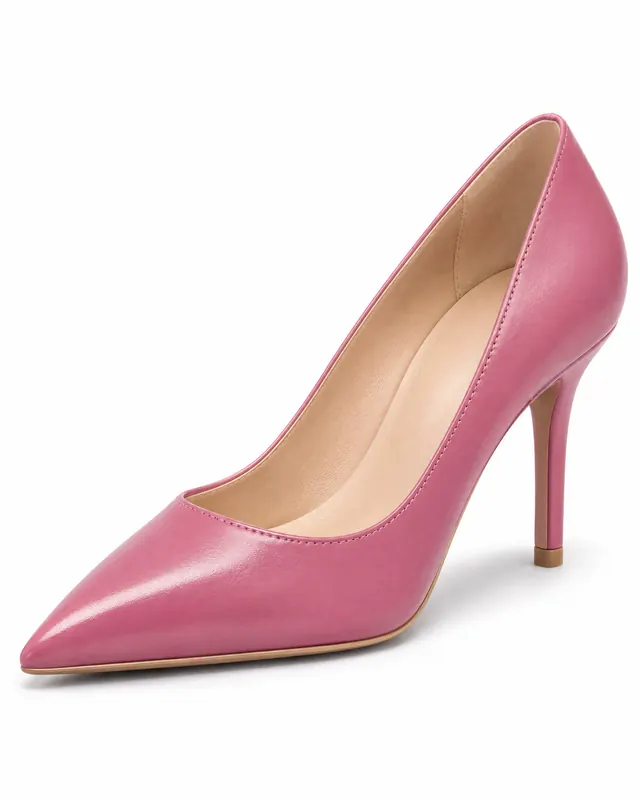
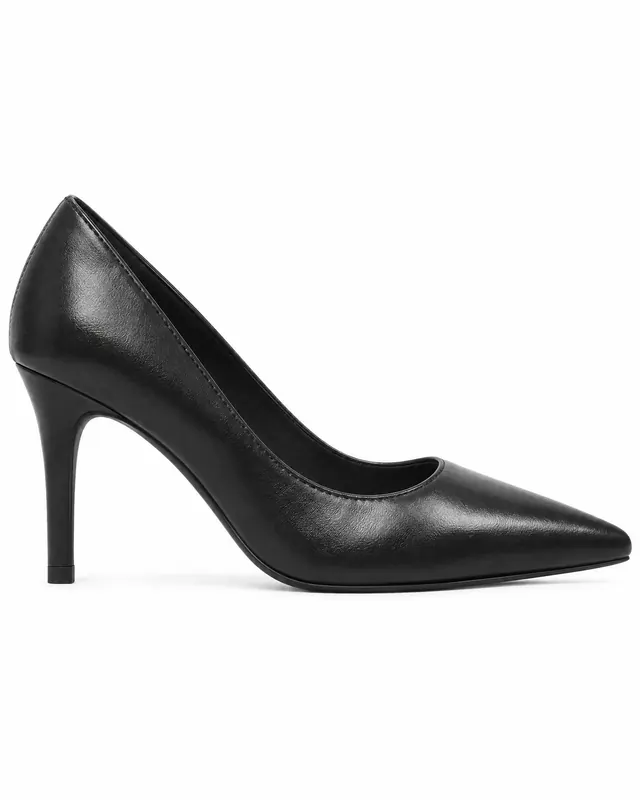
Say a heels brand has 400 search terms with spend. Five bring most of the sales: the brand name, “leather block heels women”, “comfortable heels for work”, “wide width pumps” and “low block heels”. Those five get exact match campaigns and 80% of the budget. “Heels” alone and “heels for girls” become negatives.
Which platform does what
Meta vs TikTok vs Pinterest vs Google vs Amazon for DTC Brands
Each platform does a different job in the way people find and buy online. This is how we plan them together.
| Platform | Role in the journey | Funnel stage | Creative that works | When to add it |
|---|---|---|---|---|
| TikTok | Discovery and sales through creators | Full funnel, mostly top | Demos, try-ons, creator reviews; strong hooks in the first seconds | When you can make new video every week |
| Planning purchases, occasions and seasons | Top | Styled vertical imagery, lookbooks, catalog pins | When you sell occasion or seasonal products | |
| Capturing people already searching | Middle to bottom | A clean product feed, search ads, YouTube for new collections | As soon as people search your brand or category | |
| Meta | The sales engine: discovery and conversion | Full funnel | Distinct concepts by persona and angle, catalog ads, UGC | The core channel for most DTC brands |
| AmazonYou’re here | Marketplace search and reorders | Bottom | Strong listings, Sponsored Products and Brands | When you sell on Amazon |
What is a good ACoS, and should I track TACoS instead?
ACoS is ad spend divided by the sales Amazon credits to your ads. TACoS is ad spend divided by all your sales, ads and organic. A good ACoS is one under your target: the share of each sale you can give to ads and still pay for the product, Amazon’s fees, your operating costs and a profit. We watch both. ACoS judges keywords; TACoS shows whether ads grow the whole account or only buy sales you would have made anyway.
How much should I spend on Amazon PPC?
Enough to keep your winning keywords at the top of search every day. We start with exact match on high-intent terms and raise bids until the budget spends, then add broader terms. The ceiling comes from your target ACoS, not from a round number.
Sponsored Products vs Sponsored Brands: what’s the difference?
Sponsored Products promote individual listings in search results and on product pages. Sponsored Brands show your logo, a headline and several products, usually at the top of search, which makes them useful for brand defense and launching a collection. For sellers, Sponsored Brands and display ads need Amazon Brand Registry; Sponsored Products doesn’t.
Auto or manual campaigns: which should I start with?
Both, with different jobs. Manual campaigns on exact match carry the budget and the keywords you know sell. Auto campaigns run small and find new search terms. When a term converts, it moves to exact match and becomes a negative in the auto campaign, so the two don’t compete. The search term report shows which terms to move.
Should I sell on Amazon or just my Shopify store?
If shoppers already know your brand, usually both. People search for your brand on Amazon whether you sell there or not, and look-alikes will take that search if you’re absent. Some shoppers will buy on Amazon who might have bought from your store, so we plan both together and keep brand and non-brand campaigns apart to show which sales are new and which only moved.
Can I track Google or Meta ads that send shoppers to Amazon?
Yes, with Amazon Attribution, a free tool for brand-registered sellers and vendors that measures off-Amazon ads against Amazon sales. US sellers in the Brand Referral Bonus program also earn a credit averaging 10% of the sales those ads drive.
Also on the media plan
The Other Platforms We Manage
- Buy
Meta Ads
Facebook and Instagram ads, still where most DTC brands find their next customer.
Learn more - Compare
Google Ads
Shopping, Performance Max, Search and YouTube: capture the people already looking for what you sell.
Learn more - Discover
TikTok Ads
Creator-led video that gets products discovered without looking like an ad.
Learn more - Save
Pinterest Ads
Reach shoppers while they are still planning the purchase, the occasion, the season.
Learn more -
Not Sure Where To Start?
Tell us where you are today. We’ll tell you which platforms are worth your budget, and which are not.
Book A Strategy Session
Related guides
Let’s Take Your Brand To The Next Level
Story-led paid media for DTC brands ready to grow: outstanding creative, and a method that turns every test into the next win.
*A 45-minute strategy session with Hugo to see if we’re the right fit for your brand.